Custom technical rubber solutions
Aquanauta develops technical rubber parts according to application, performance, and process requirements, from initial analysis to scale production.
Methodology
Structured development process
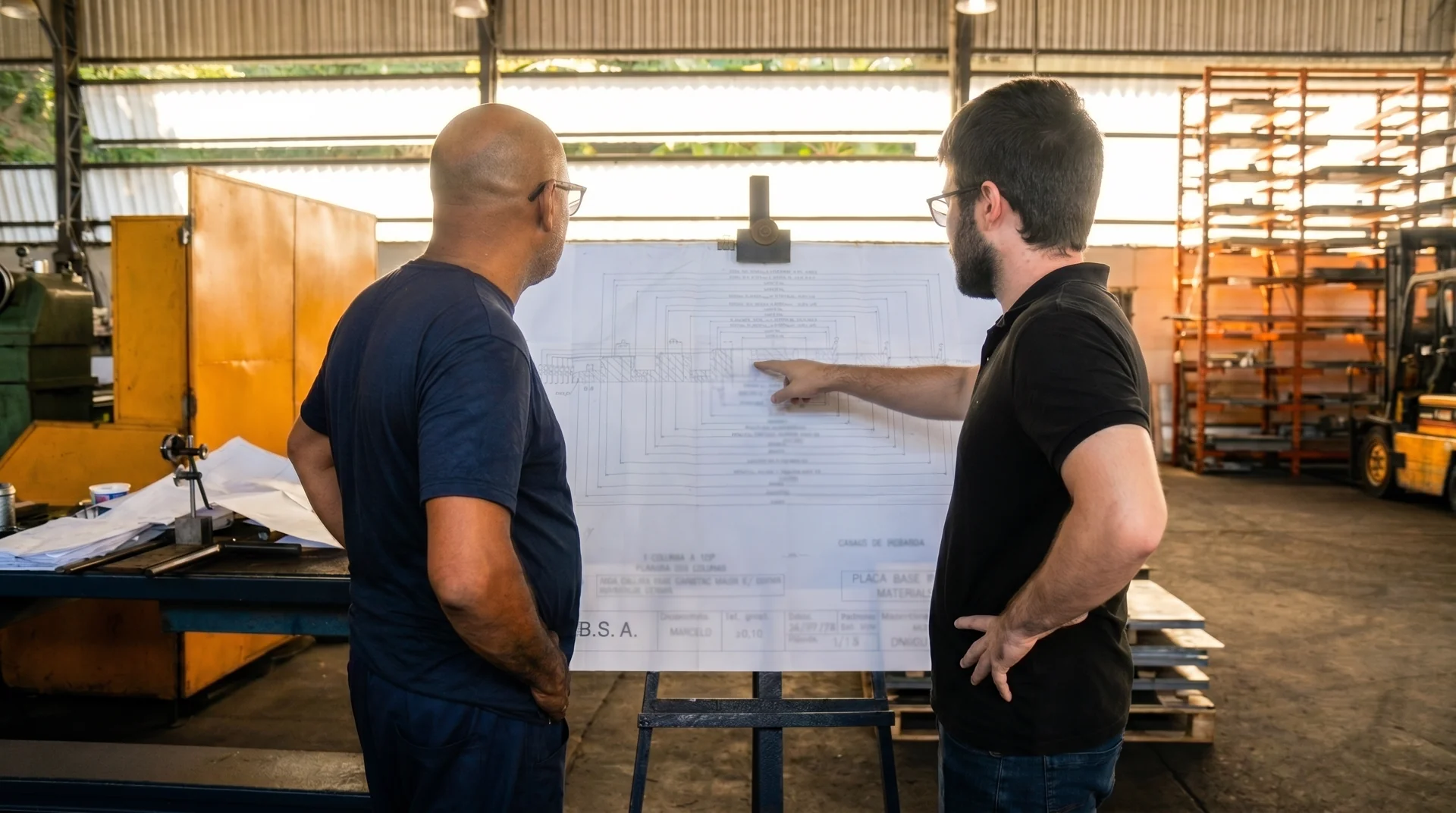
Application analysis
Before any proposal, we map the real conditions of use: fluid, pressure, temperature, mechanical resistance, and standard requirements.
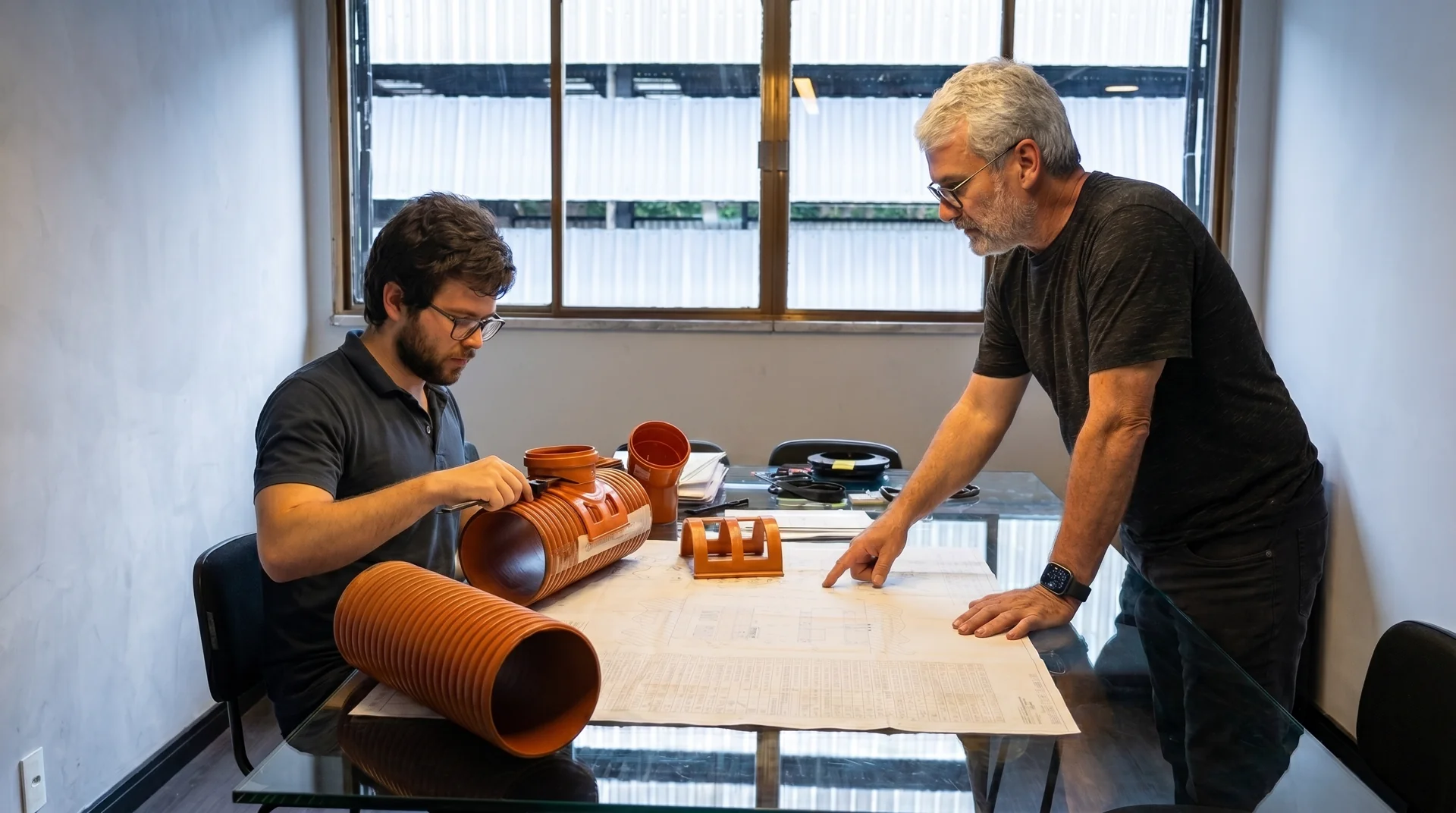
Technical specification
Based on the requirements gathered, we define the appropriate elastomeric formulation and develop the part design.
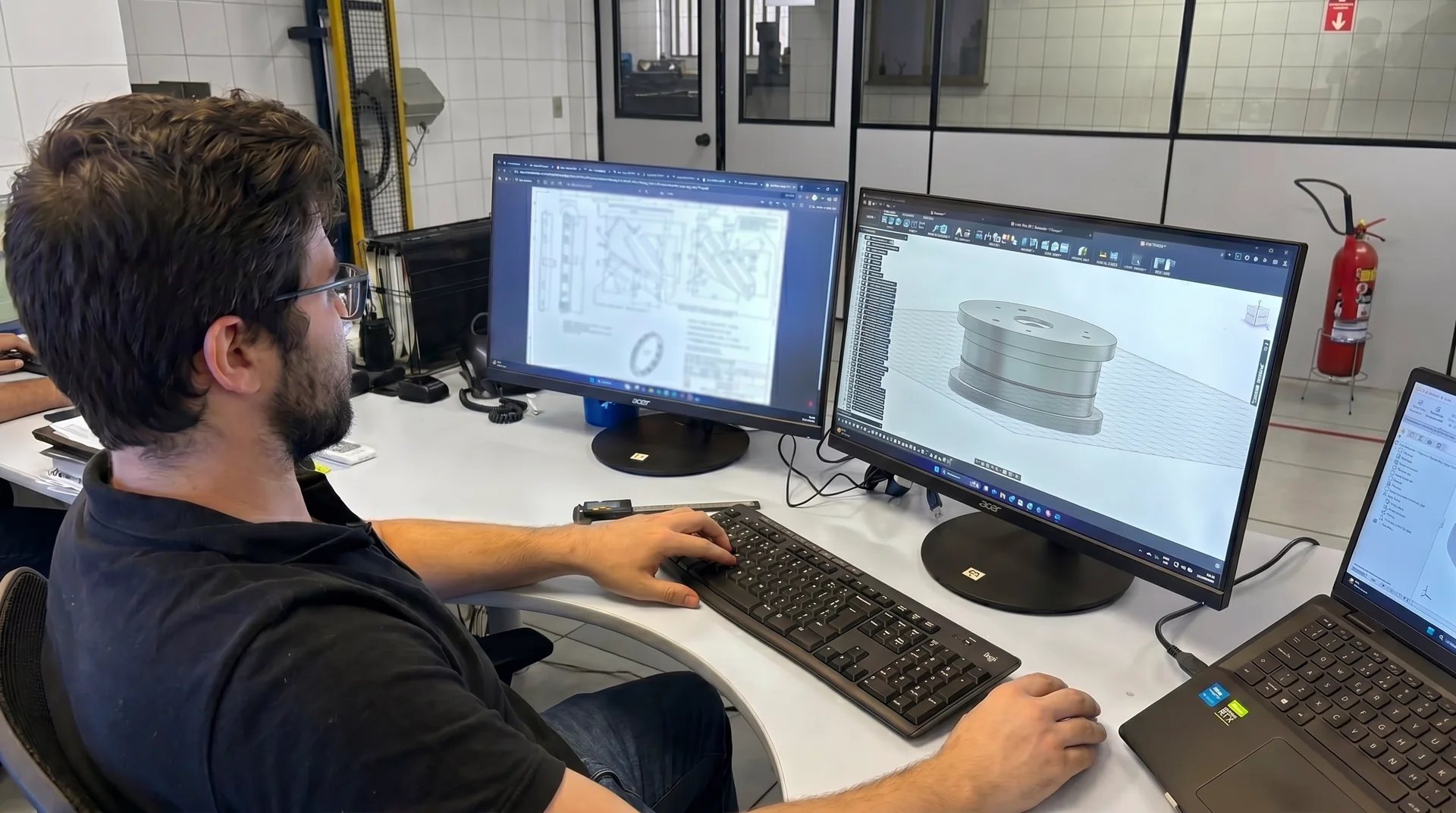
Machining development
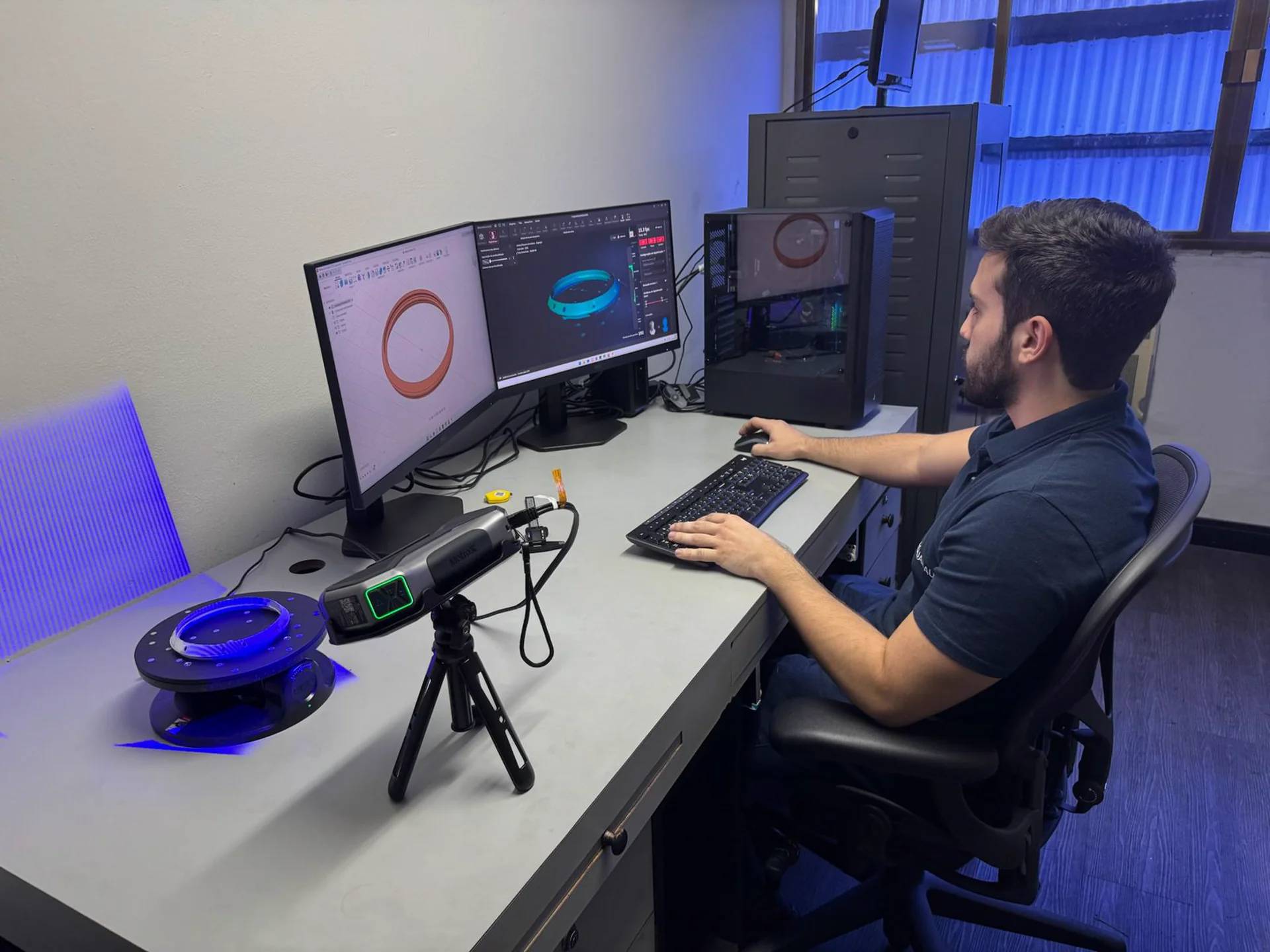
Machining is developed in-house, ensuring control over dimensional accuracy, adjustments, and deadlines throughout the entire development process.
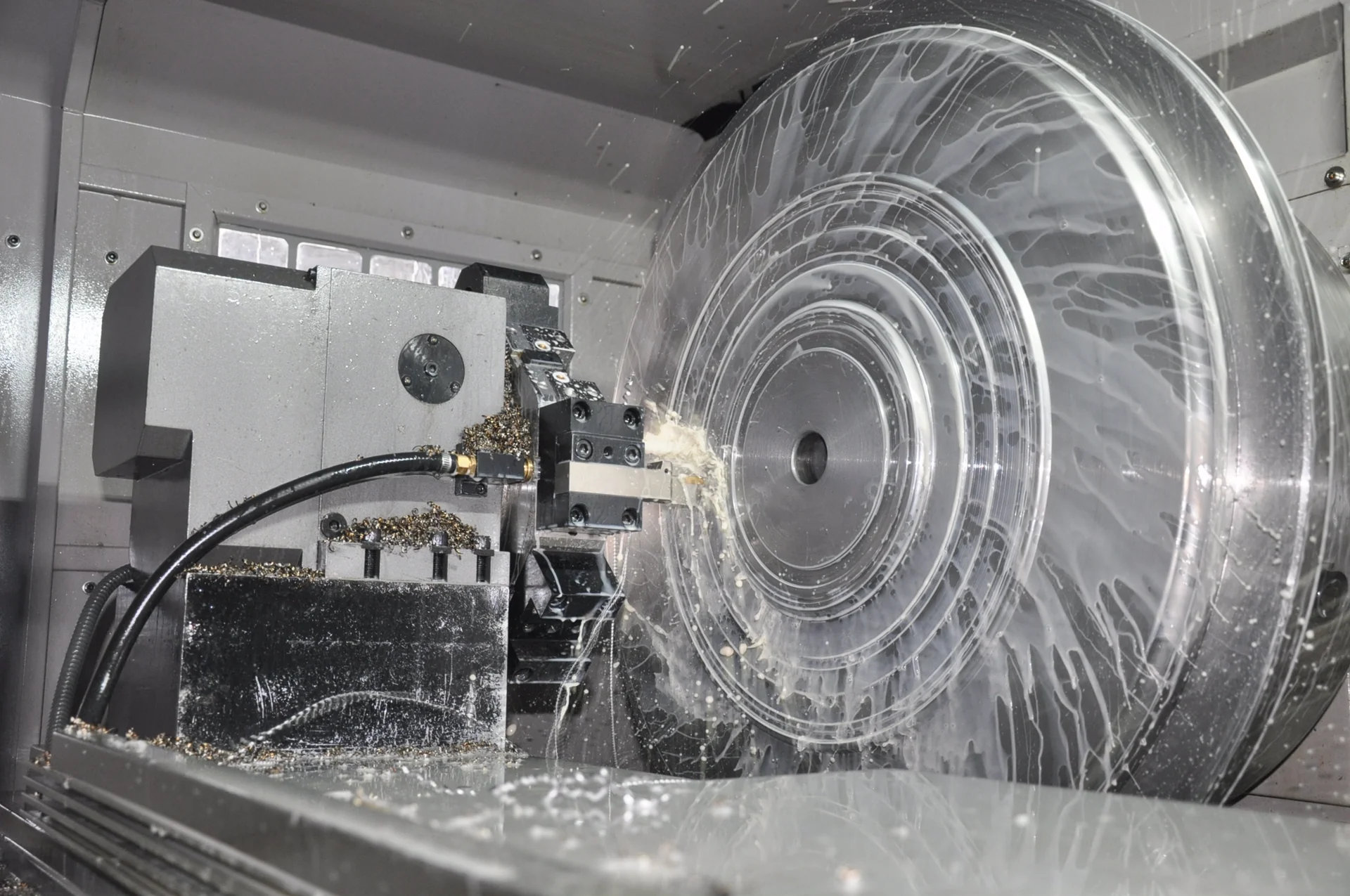
Prototyping and validation
The prototype is produced and subjected to dimensional, physical, and chemical validations to confirm that the material and geometry meet the project specifications.
Series production
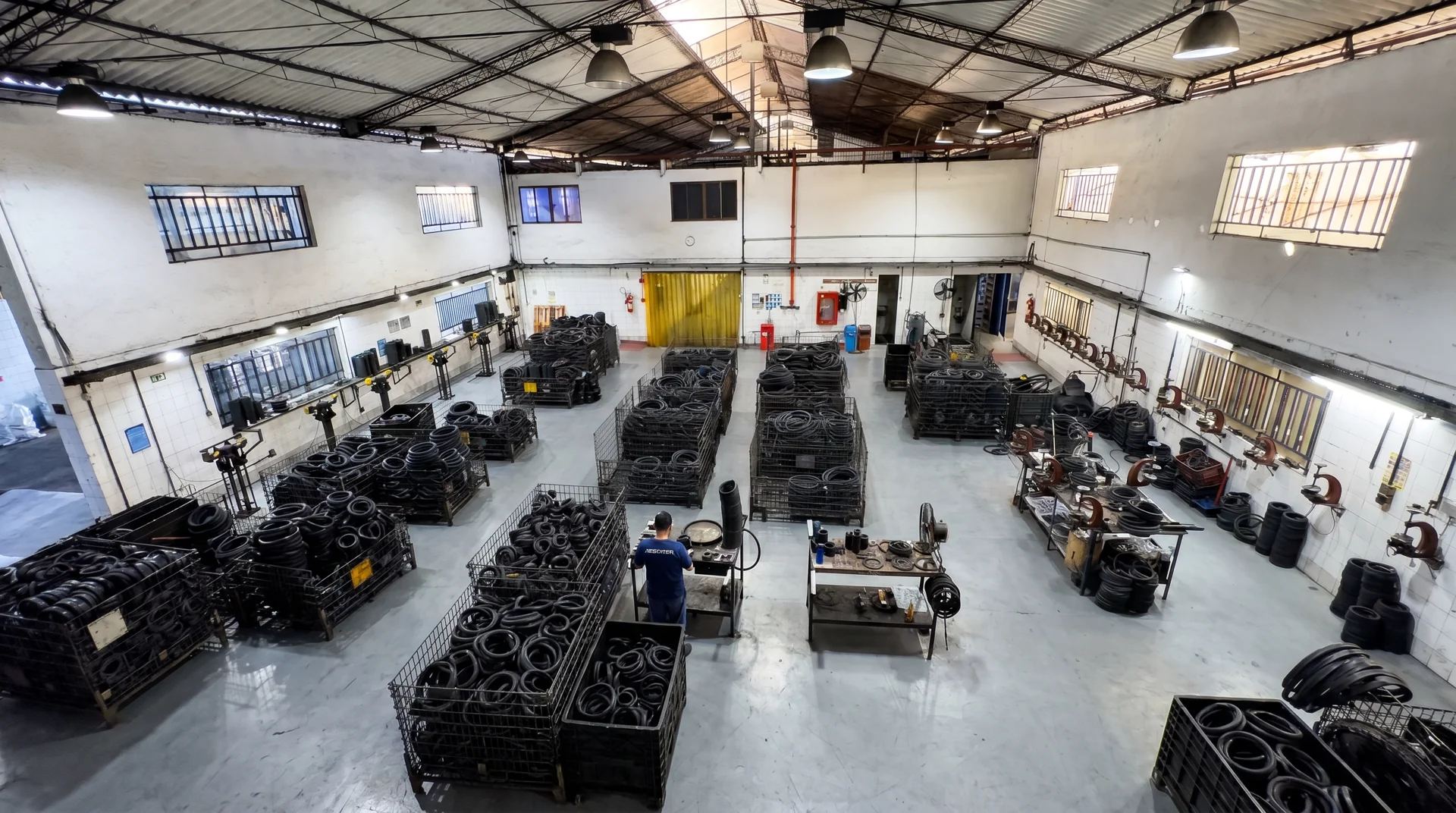
Once the project is validated, we begin production with traceability, process control, and final inspection — ensuring consistency and reliability in supply.
Materials and applications
We work with the main elastomers, selecting the material according to the requirements of each application.
Mechanical resistance · Good abrasion resistance · Competitive cost
Recommended for general applications without contact with oils, fuels, or solvents — water pipelines, structural parts, and wear components where cost-performance is decisive.
Ozone and weather resistance · Water and steam
Widely used in sanitation, sealing, water systems, and outdoor applications with prolonged exposure to UV, ozone, and weather variations.
Resistance to oils and fuels · Industrial sealing
One of the most widely used options for contact with mineral oils, fuels, and greases — industrial seals, hydraulic fittings, pneumatic systems, and components subject to lubricants.
Excellent chemical resistance · Oils, fuels, and high temperatures
Recommended for environments with intense exposure to mineral oils, fuels, hydrocarbons, solvents, aggressive chemical agents, and high temperatures — critical applications where NBR or Neoprene may not provide sufficient resistance.
Weather and flame resistance · Versatility
A versatile material for applications that require a balance between mechanical resistance, outdoor exposure, ozone, UV, and low flame spread — profiles, belts, cables, pads, and seals in construction and general use.
High elasticity · Tear resistance · Dynamic behavior
Recommended for parts subject to impact, vibration, and cyclic deformation — expansion joints, structural supports, shock absorbers, and components requiring high resilience.
Thermal stability · Low reactivity · Food and medical use
Recommended for food, medical, and industrial applications requiring stability at extreme temperatures, flexibility, and low reactivity.
Talk to our engineering team about your project
Send your drawing, specification, or describe your technical challenge for our team to evaluate.